
Winter Trials Reveal Spring Carnival Gold

Introduction
Most people are rugged up watching the footy in July and August, but smart racing people are already at the track with a coffee and a keen eye. The mid-winter barrier trial season is one of the most underrated windows in Australian racing, and if you know what you are looking for, you can get ahead of the market by weeks. This is not insider trading. It is just paying attention while everyone else is looking the other way.
Australian trainers use this period deliberately. They are not rushing horses into hard races in the cold. Instead, they are ticking boxes quietly, building fitness, checking soundness, and giving younger horses a chance to learn their craft without the pressure of a stakes race on the line. A barrier trial carries no prize money and very little public scrutiny, which means trainers can be honest about where a horse actually is in its preparation. That honesty is exactly what makes these trials so valuable to people who bother to show up.
So what should you actually be watching for? Start with the sectionals. Most major trials now have timing data available, and a horse that runs quick final splits without being asked hard is waving a flag. You are not looking for an all-out effort. You are looking for a horse that does it well within itself, the ones that finish off with energy to spare. A horse that sprints clear in the last two hundred metres without the jockey moving on it is telling you something worth noting.
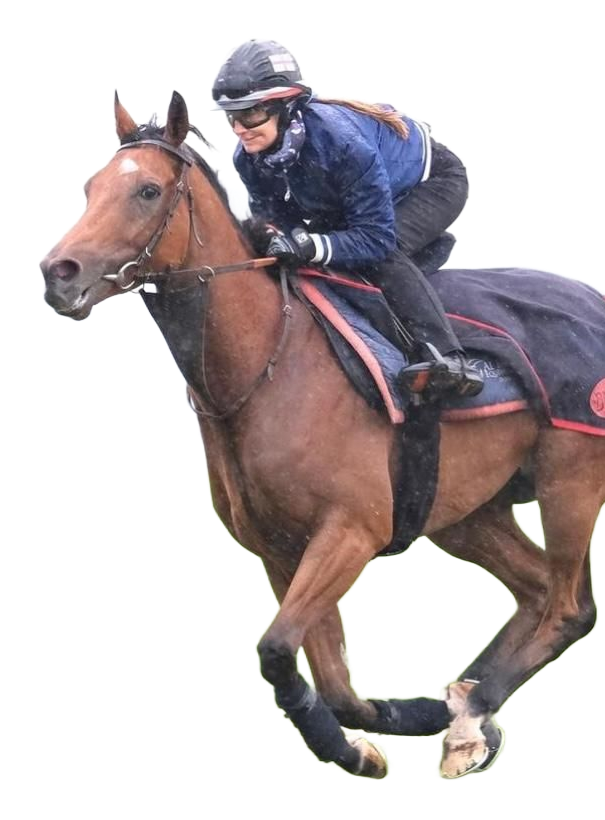
Demeanour matters just as much as the clock. Watch how the horse travels to the barrier, how it settles in the run, and how it behaves in the mounting yard beforehand. A horse that is relaxed, bright-eyed, and moving loosely is a horse that has been prepared with care. Contrast that with one that is sweating up, fighting the handler, or looking flat and disengaged. The physical signals are honest in a way that pre-race presentations rarely are.
Trainer patterns are the third piece of the puzzle, and this is where experience pays off. Some trainers consistently trial their best horses twice before a first-up run, with the second trial being noticeably sharper. Others prefer one quiet hit-out and then straight into a race. Once you understand a trainer's rhythm, you can time your engagement with a horse's campaign far more accurately. Trainers like Chris Waller, Gai Waterhouse, and several emerging Newcastle-based stables have well-documented patterns if you take the time to track them over a season or two.
For breeding investment, the trials offer something different again. Watching a young horse trial gives you a read on its physical maturity, its racing brain, and how it handles pressure, three things that matter enormously when you are assessing a horse's potential as a future sire or broodmare. A filly that trials with composure and natural balance is displaying traits you want passed down a pedigree. These observations sit alongside the bloodline analysis and conformation assessments that proper investment decisions are built on, but they add a live, current layer of intelligence that no catalogue page can give you.
What To Do Next
If you have never attended a barrier trial before, the first step is simply to go. Trials at tracks like Broadmeadow in Newcastle are low-key, free to attend, and genuinely enjoyable for anyone who loves horses. You do not need to be a form analyst to start picking up information. You just need to be there, be observant, and take notes.
Make a habit of recording what you see. Keep a simple notebook or a note on your phone. Log the horse, the trainer, the date, the trial distance, and your own observations about how it moved and behaved. Over time, you will build a reference library that has real value when those same horses appear in the Spring Carnival fields.
Pair your trackside observations with the trial data that is published on websites like Racing Australia and the various state racing authority sites. Sectional data, margins, and race replays are increasingly available and allow you to review what you watched with fresh eyes. Cross-referencing your impressions with the numbers builds a much fuller picture than either source gives you alone.
For Australian Bloodstock clients, this is where the real edge sits. Whether you are approaching racing from a punting angle or looking at horses as a breeding and ownership investment, the winter trial season gives you a window of early intelligence that the broader market has not yet priced in. By the time a horse wins a Group race in October, its odds will have shortened and its yearling price will have climbed. The people who noticed it in a July trial at Broadmeadow are the ones smiling.
Speak to your Australian Bloodstock contact about which horses in the current stable network are heading through winter trials and what the preparation targets look like. Understanding where a horse sits in its campaign, directly from the people managing it, stacks the knowledge in your favour before the market catches up.
The Spring Carnival rewards preparation. The same is true for the people who follow it. Get out to a trial, trust your eyes, do the homework, and give yourself the kind of advantage that only comes from showing up when most people are still watching the footy.