
See Your Horse Before You Buy
Before you sign anything, get yourself down to the track. Newcastle's got a cracker of a weekend ahead and there's no better time to use it wisely.

Now look, there's nothing wrong with reading the form. You should absolutely do that. But paper form only tells you so much, and anyone who's spent time around horses will tell you the same thing: you've got to lay eyes on the animal. A horse that looks good on a spreadsheet can look ordinary in real life, and vice versa. That's the thing about this game. It rewards the people who do the extra work, the ones who actually show up. And showing up right now, before the spring rush, means you're walking into a conversation with more leverage, more options, and a clearer head than the bloke who calls in October when half the good spots are already gone.
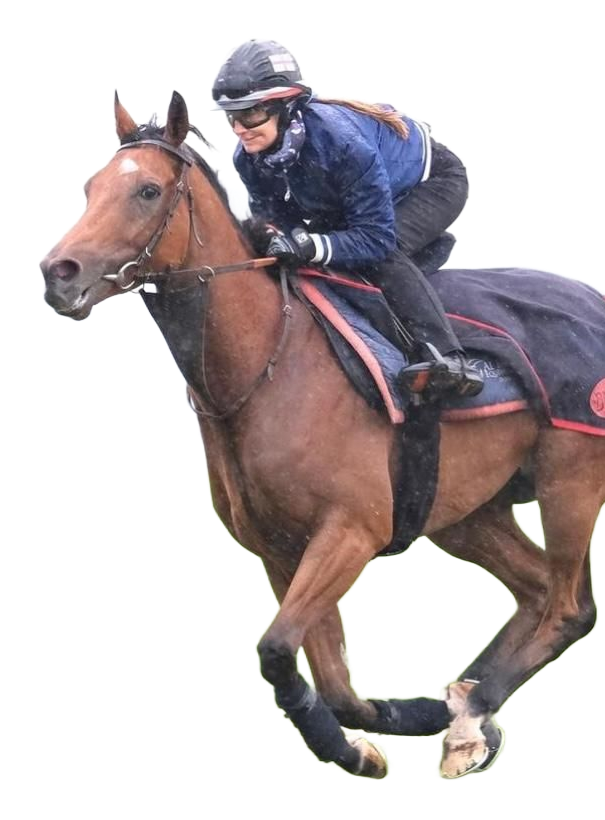
So what are you actually looking for when you get trackside? Start with the coat. A horse in genuine good health will have a coat that almost shimmers in the morning light, it's not something you can fake. Dull, patchy, or rough-coated horses are telling you something, and you'd do well to listen. Next, look at the muscle tone, particularly through the hindquarters and over the back. You want to see a horse that's filled out properly, not one that looks like it's carrying its condition unevenly or struggling to hold its topline. That kind of physical development is a sign the training program is working and the horse is thriving under it.
Then look at the eye. It sounds simple but it's one of the most reliable indicators you've got. A bright, alert, curious eye tells you the horse is mentally engaged and feeling well in itself. A dull or sunken eye, or one that looks anxious and unsettled, is worth noting. After that, watch how the horse carries itself when it's moving in a confined space, being led around, being saddled up, or walking to the barrier. Does it move with ease and rhythm? Does it stand quietly or is it constantly wired and difficult to manage? Some horses are naturally more energetic than others and that's fine, but there's a difference between a horse that's sharp and ready to go and one that's genuinely hard to handle. You want the former.
Barrier trials are particularly valuable for this. You get to watch the horse travel at speed in a race-like environment, see how it begins, how it settles, and how it finishes up. You can hear the breathing, see the stride, and watch how the horse responds to the jockey's hands. It's as close to race-day as you can get without it being race-day, and that information is priceless when you're deciding whether to put your money into a share. Take a notebook. Ask questions. The trainers and track staff are generally happy to talk if you approach them at the right moment and show genuine interest.
What To Do Next
If any of this has sparked something in you, then the next step is straightforward. Get yourself onto the Australian Bloodstock website and take a proper look at what's currently available in their syndicate portfolio.
Australian Bloodstock has built a reputation on transparency, on putting the right horses in front of the right people, and on making the syndicate experience genuinely rewarding rather than just a punt with extra paperwork. The horses they bring to market are selected carefully, and the syndicates are structured so that everyday investors can get meaningful participation without needing to spend at the level of a sole owner.
Right now, before spring demand kicks in properly, is the window. This is when the value sits. Once the carnival season starts generating noise and results, pricing reflects that excitement and availability drops. The people who move now are the ones who've done their homework, visited the track, asked the right questions, and made a calm decision rather than a reactive one.
If you're in Newcastle or anywhere in the Hunter region, this Saturday morning is a genuine opportunity. Check what trackwork or trials are on at Newcastle Racecourse, get there early, grab a coffee, and spend an hour watching horses do what they do. You'll learn more in that hour than you will from reading form guides for a week.
Then head to australianbloodstock.com.au, look at the current syndicate offerings, and reach out to the team directly. They're not going to pressure you. They're going to answer your questions honestly and help you work out whether one of their horses is the right fit for where you're at.
Spring is coming. The smart money is moving now. Get yourself informed, get yourself trackside, and get in touch with Australian Bloodstock before the window closes.