
Read The Track Before The Form
Heavy drizzle is on the way to Newcastle this Sunday, and if you've ever thought about joining a racing syndicate, that's not bad news. That's your invitation.

Here's the thing most people don't realise until they've stood trackside in the drizzle with a coffee going cold in their hand. Horses don't lie on wet ground. On a dry track, a horse with suspect form can paper over the cracks. But get a bit of rain into the surface and every weakness, every hesitation, every reluctance shows up in plain sight. That's not a problem for the well-prepared investor. That's a gift. You just need to know what you're looking at.
Start with the hooves. A horse that's comfortable on wet ground will place its hooves with quiet confidence, not unlike a tradie who knows the job. You're looking for a clean, deliberate placement, front and back, without that telltale splay or scramble that says the horse is uncomfortable with the give beneath it. Horses that hate the wet will often land awkwardly on the outside of the hoof, trying to find purchase where there isn't any. It's subtle, but once you've seen it you can't unsee it.
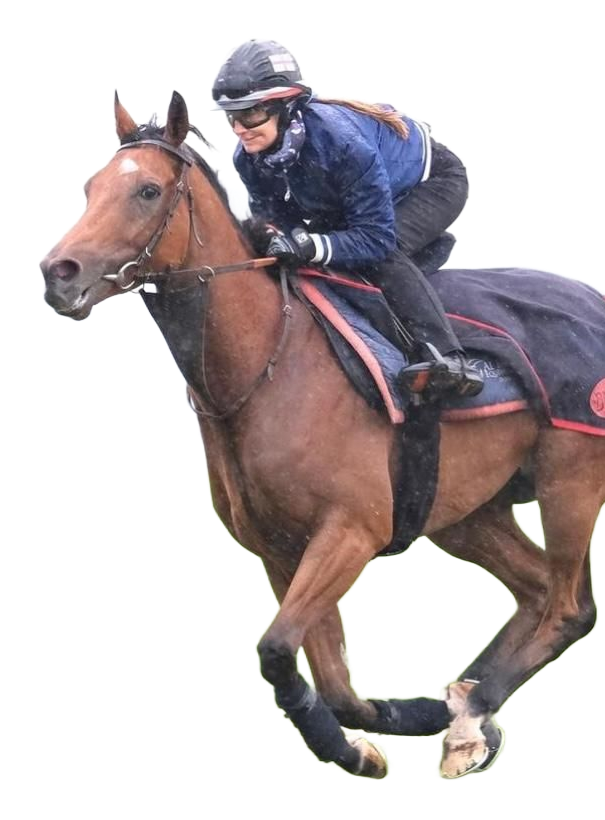
Stride length is the next thing to watch. A horse that shortens up dramatically on a soft track is telling you something. A bit of adjustment is normal and expected. But if the stride goes from fluid and long to choppy and reluctant, that horse is fighting the surface rather than using it. The good wet-trackers actually maintain their rhythm. Some of them genuinely love the give in the ground. You'll see it in how freely they move between the 800-metre mark and the turn.
Ear position is one of the most underrated reads you'll get at the track. Ears pinned flat back often signal stress or frustration with conditions. Ears pricked forward or loosely to the side signal engagement, focus, a horse that's comfortable in the moment. On a wet day, a horse with its ears forward through the back straight is usually a horse that's got no issue with what's under its feet. It sounds simple because it is.
And then there's the rider. Watch the hands and the seat. A jockey who trusts their horse on wet ground rides with a stillness that's easy to spot. There's no unnecessary adjustment, no over-correction, no visible negotiation happening in the saddle. When a rider is working hard just to keep a horse balanced on a soft surface, you'll see it in the elbows and the lower back. When rider and horse are in sync on wet ground, it almost looks effortless. That combination, a confident horse and a settled rider, is what you want to see from any animal you're considering putting your name alongside.
None of this replaces proper due diligence. But it adds a layer of knowledge that no form guide, speed map, or track rating system can give you. Spring Carnival is coming, and conditions in Sydney and Melbourne this time of year are notoriously unpredictable. Owning a share in a horse that handles wet ground isn't just nice to have. In a carnival where a weather change on race morning can flip a market upside down, it can be the difference between a frustrating day and a very good one.
What To Do Next
If you're in Newcastle this Sunday, head to the track. Seriously, just go. You don't need to be an expert. You don't need a notebook or a stopwatch. You need to show up, watch a few races, and start training your eye on the things that actually matter. Hoof placement. Stride rhythm. Ear position. Rider confidence. Give yourself permission to look past the race result and focus on how individual horses are moving and behaving in the conditions. That's where the real education is.
Australian Bloodstock has horses in work right now that are built for exactly this kind of racing. Horses selected with wet-track performance in mind, prepared by training teams who understand that Spring Carnival isn't won on paper, it's won by horses that show up and perform when the ground is testing.
Syndicate allocations for Spring Carnival are being finalised now. These aren't positions that sit open for long. The people who register their interest early are the ones who get first look at what's available, what the horse's profile looks like, what the target races are, and what a share in that campaign actually costs. It's a straightforward conversation, and there's no pressure attached to having it.
If Sunday gets you thinking, don't let that thinking sit in your pocket on the drive home. Head to the Australian Bloodstock website and register your interest. Fill in your details, let the team know you're based in Newcastle and you're looking at Spring Carnival options, and someone will be in touch to walk you through what's on offer.
The wet weather this Sunday isn't a reason to stay home. It's one of the better reasons you'll get all year to go to the track and start seeing thoroughbred racing the way the professionals see it. Go and have a look. Then get in touch. Spring comes around fast, and the good spots fill up faster.