
How To Spot A Champion At The Sales

Introduction
The spring yearling sales are one of the most exciting times on the Australian racing calendar. Whether you are a seasoned buyer or stepping onto the sale floor for the first time, there is nothing quite like the buzz of Magic Millions or an Inglis Premier sale. Hundreds of horses, millions of dollars, and somewhere in that mix, a future champion. The trick is knowing what you are looking at. Get that right and you are not just buying a horse, you are buying a dream with some real science behind it.
Now, not everyone walking through those barn rows is a bloodstock expert, and that is perfectly fine. The good news is that with a bit of know-how and the right people alongside you, you can make smart, informed decisions without second-guessing every step. It comes down to two things working together, the physical picture the horse paints standing in front of you, and the story its breeding tells on paper. Get across both of those and you are already ahead of most people at the sale.
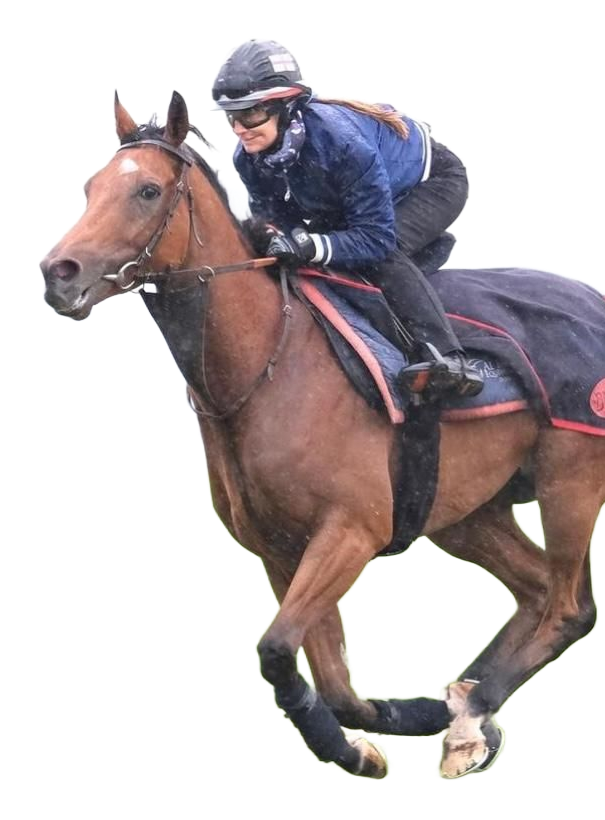
Start with conformation, because a horse can have the best pedigree in the world but if the body is not built right, you are fighting an uphill battle from day one. When you are walking up to a yearling, look at the overall balance first. Does the horse look like all the parts belong together? A well-balanced horse stands over good ground, meaning it fills the space beneath it with confidence. Look for a strong, well-angled shoulder, because that is what drives stride length and the kind of fluid movement that wins races. Short, upright shoulders are a red flag. You want slope. You want length through the neck. You want a horse that looks like it was born to move.
Check the legs next, and take your time here. Straight, clean legs with good bone density are what you are after. Look at the horse from the front and the back. Toes pointing in or out, knees that are not sitting square, or ankles that look under pressure are all things that can cost you down the track, both in vet bills and in race days lost. A slight imperfection does not always rule a horse out, but you need to understand what you are taking on. Feet matter enormously too. Big, open, well-shaped hooves are the foundation of a sound racehorse. Contracted, boxy feet are a concern worth noting.
Once you have had a good look at the horse, get into the hip catalogue. This is your research tool and your best friend at a sale. Every lot has a page, and that page tells you the sire, the dam, and the extended family. What you are looking for is black type, which refers to horses in the family that have won or placed in stakes races. The more black type you see through the page, the stronger the proven performance genetics. But do not just look at the sire. Study the dam line closely. A mare with multiple black-type performers in her family is worth serious attention, especially if she has already produced a winner herself.
Sire statistics are also worth your time. Look at the sire's average earnings per runner, his percentage of winners to runners, and how his progeny perform at different distances and track conditions. Some sires produce horses that peak early as two-year-olds. Others are known for getting horses that come into their own over middle distances as three and four-year-olds. Matching sire tendencies to your racing program is a smart move that too many buyers overlook in the excitement of the moment.
What To Do Next
If all of this sounds like a lot to take in before you even set foot on the grounds, that is completely understandable. The sales can feel overwhelming, and the pace moves fast once the catalogue goes live and the barn inspections begin. The best thing you can do is prepare early and surround yourself with people who do this for a living.
Australian Bloodstock has been helping buyers navigate these decisions for years, and the value of having an experienced team in your corner goes well beyond just pointing at a nice-looking horse. The team brings deep knowledge of current sire trends, dam family analysis, veterinary referral networks, and real-world experience of what actually translates from the sale ring to the racetrack. That combination of expertise takes the guesswork out of some genuinely high-stakes calls.
Before the sales open, do your homework on the catalogue. Download it early, shortlist horses that tick your boxes on paper, and then use your inspection time efficiently. Do not try to look at everything. Focus on the lots that match your budget and your goals, whether that is a syndication share, a private purchase, or a partnership arrangement.
If you are attending Magic Millions on the Gold Coast or any of the Inglis sales in Sydney, plan to spend proper time in the barns rather than rushing through. Watch how horses move when they are walked up. A horse that walks with energy, swing through the hip, and a relaxed but alert demeanour is showing you good signs. A horse that looks dull, moves stiffly, or is difficult to present is telling you something worth listening to.
Talk to the people around you. Trainers, stud staff, and bloodstock agents are all at the sales with knowledge and opinions. Ask questions. Listen to what experienced buyers are drawn to and why.
And when you are ready to take the next step, whether that is getting involved in a syndication or making a purchase outright, reach out to the Australian Bloodstock team. The conversation is always worthwhile, and having the right guidance behind you is how a good day at the sales becomes a great one.