Cardiovascular Insights in Racing
Unlock the hidden potential of racehorses with revolutionary cardio reporting for superior performance insights.
Written by Luke Murrell
03-3-2026 14:30:22
## Heart & Mechanics: The Engine Room We Can Actually Measure
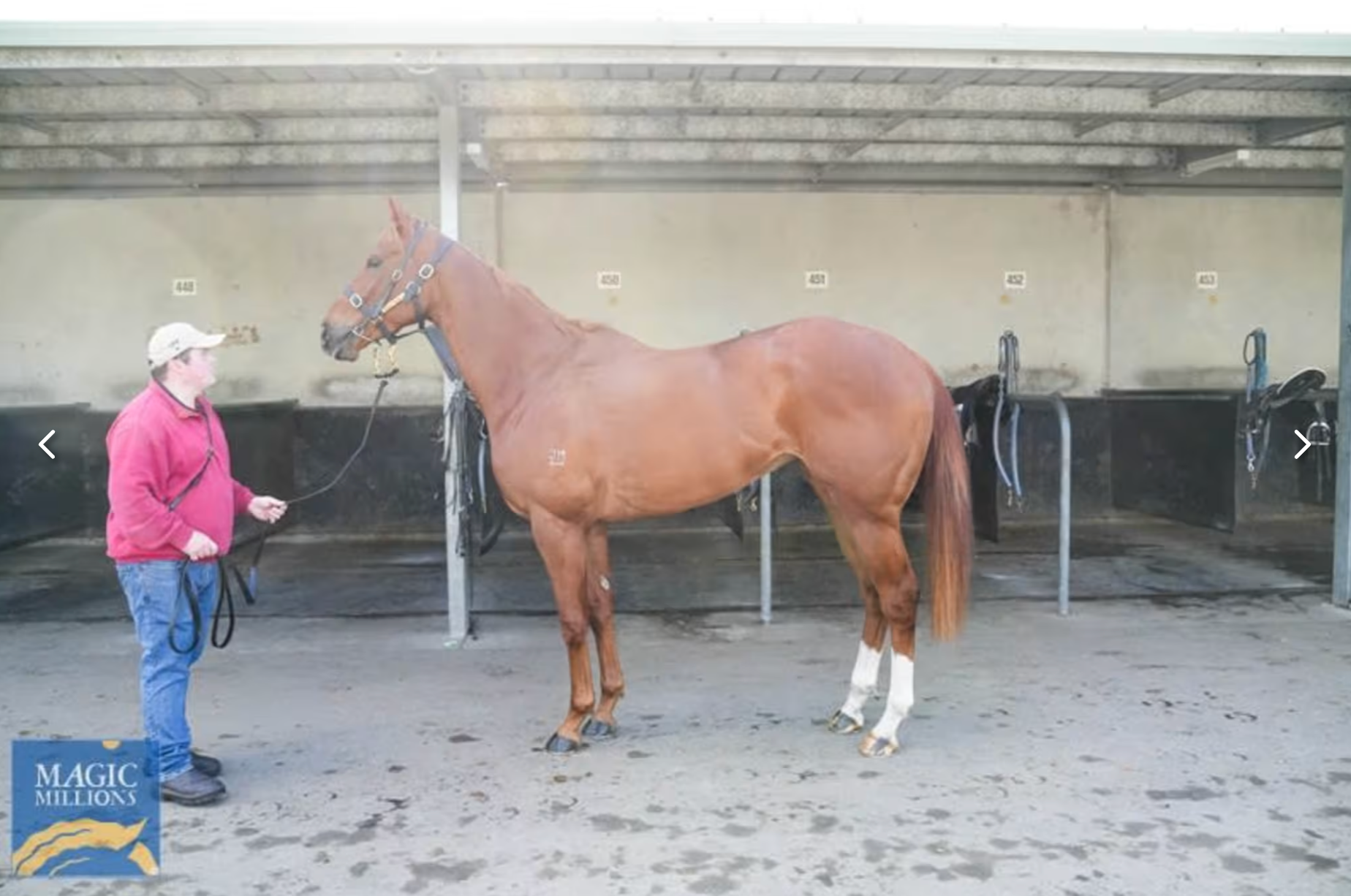
In the world of Australian bloodstock, we're masters of the visible. We meticulously analyse every external attribute: the angle of a shoulder, the power in a hip, the clean line of a limb, and the overall sense of balance. But what if we could look deeper, beyond the polished exterior, to the very heart of the matter? The real engine, the one that powers a horse through the demanding final furlong, sits where you can't see it.
This is where cardio reporting comes in. In yearlings and older horses, we can now get a remarkably clear picture of the heart's capacity through ultrasound assessments. This isn't about guesswork or hype; it's about measurable physiology. And when it comes to a performance animal, the ability to deliver oxygen is paramount.
Numerous studies have established a clear and positive link between the size of the left ventricle and a horse's maximum oxygen output. In simpler terms, a more efficient pump allows a horse to sustain high-intensity effort for longer. The assessment process is thorough, examining the heart's chamber in expansion and contraction, the stroke volume (the amount of blood pumped with each beat), the thickness of the heart wall, and the timing and rhythm of contractions. This data is then used to calculate a score, which is adjusted for the horse's size, sex, age, and current fitness level.
This last point is crucial because context is everything. An average score suggests a horse has the capacity to be competitive within its physical limits. But an above-average heart capacity? That's where things get interesting. This can indicate a real advantage, especially in races over a mile and beyond. Increased oxygen delivery translates to better resistance to lactic acid build-up, greater stamina under pressure, a stronger finishing kick, and more efficient recovery.
However, a "big heart" on its own doesn't guarantee a champion. The legendary Secretariat was famous for his exceptionally large heart, but his powerful frame and fluid stride were in perfect harmony with that incredible engine. A powerful engine in the wrong chassis creates imbalance, not efficiency. The heart must suit the body.
In the high-pressure, fast-paced world of Australian racing, cardiovascular data offers a significant edge. It allows for the confirmation of physical assessments with objective metrics, the identification of horses that may excel over longer distances, and a way to avoid being swayed by pedigree or sales ring glamour alone. It's another layer of risk-filtering in a game of small margins.
While nothing can guarantee a champion, understanding the engine under the bonnet is one of the few ways we can reduce uncertainty. In the competitive Australian market, having insight into how efficiently a horse can deliver oxygen, and therefore sustain performance, is a powerful tool in the quest for success.

Top Ranked / Sequana